For investors
Media is becoming an experience.
Solu makes it governable.
Solu gives rights owners a way to decide what software may do with their media, across devices and networks. The owner sets the rules. The device follows them. The receipt proves it.
01 The shift
The screen is no longer the endpoint.
- Intelligence is moving onto devices and the network edge.
- Media can now become personal, interactive and spatial.
- Rights owners have no universal way to control those changes.
02 The answer
One permission layer for every experience.
01
Owner decides
What may change, where and when.
02
Device composes
Picture, sound and experience stay within those rules.
03
Receipt proves
Every authorized action can be checked and settled.
Underneath sits Aava, the open protocol that turns the owner's rules into a signed grant. Solu is the network that runs it.
03 Why it matters
A new surface for value, without a new stream for every viewer.
For owners
New experiences, on their terms.
For distributors
Existing video, delivery and DRM stay intact.
For viewers
No tracking profile needs to leave the device.
The compute is already on the device. Solu is free to adopt and earns when verified value settles.
04 The moat
The authority layer must be neutral.
Neutral
Works across owners, distributors, devices and networks.
Sealed
Device keys live in secure hardware. Every action ends in a signed receipt.
Compounding
Three patent families, and a growing network of permissions and proof.
05 Proof
Built to be checked.
The full protocol stack is built. Nothing settles without a signed receipt, and anyone can verify the documents themselves.
Receipt
sha256:a3f90c71e2b854d09f1a77ceb046d2e5
- Owner authority signedOK
- Agent action within rulesOK
- Device receipt verifiedOK
- Value settledOK
Verifying
Illustration of the proof model. Values shown are examples, not a real transaction.
Measured
- 0 of 20,216
- video frames dropped in a fourteen minute run of protected video on a Samsung television, with the Solu runtime deciding throughout
- 0.142 ms
- median cost of one composition decision on the device code path, one core, against a 16 ms frame budget
- 1,001 per second
- session opens on one 16 vCPU machine, 16,800 of 16,800 successful
- 23.2 ms
- median authority round trip, AWS Stockholm to Google Cloud Finland, over the public internet, 100 of 100 calls
- 66,682 frames
- main camera frames of one full football match recording locked to the pitch lines, at a median fit of 0.7 px
- 45 surfaces
- found by the system in one stadium picture, with no surface marked by hand
The network is paid once, when a session opens. Every decision after that is made on the device, so distance does not touch the picture.
06 The future
The contract stays the same as media changes.
Video today interactive spatial multi-device
Solu governs what software may do, not a single file format. The same owner permission travels from a 2D program to the experiences that follow it.
07 Questions
What investors ask first.
- What is Solu, in one sentence?
- Solu is the permission layer for intelligent media: the owner decides what software may do with their media, the device follows those rules, and a receipt proves it.
- Why now?
- Because intelligence is leaving the cloud. Phones, TVs, glasses and the network edge now run AI right beside the viewer, close enough to shape what people see, hear and feel. The authority over that has to exist before it scales, not after.
- How is this different from personalization?
- Others solve how an experience is made. Solu solves who is allowed to make it. Solu is not another engine. It is the authority that connects rights to execution, wherever that execution runs.
- What does the owner control?
- What may change, where and when. The owner signs those rules once. Every device acts within them and refuses anything beyond them.
- Why are the economics different?
- Today each personal experience is made somewhere else and paid for again for every viewer. With Solu, the device does the work with compute the viewer already owns. Solu is free to adopt and earns only when verified value settles.
- What about viewer privacy?
- Viewer data stays sealed in the device. The receipt proves what ran, never who watched. Privacy is part of the architecture, not a policy.
- Why is Solu hard to replace?
- Any platform can govern its own devices. None can be the neutral authority over everyone else's. Every signed permission and every participating device makes the network more valuable, and the approach is protected by three patent families.
08 Team
We know the industry.
We built the technology.
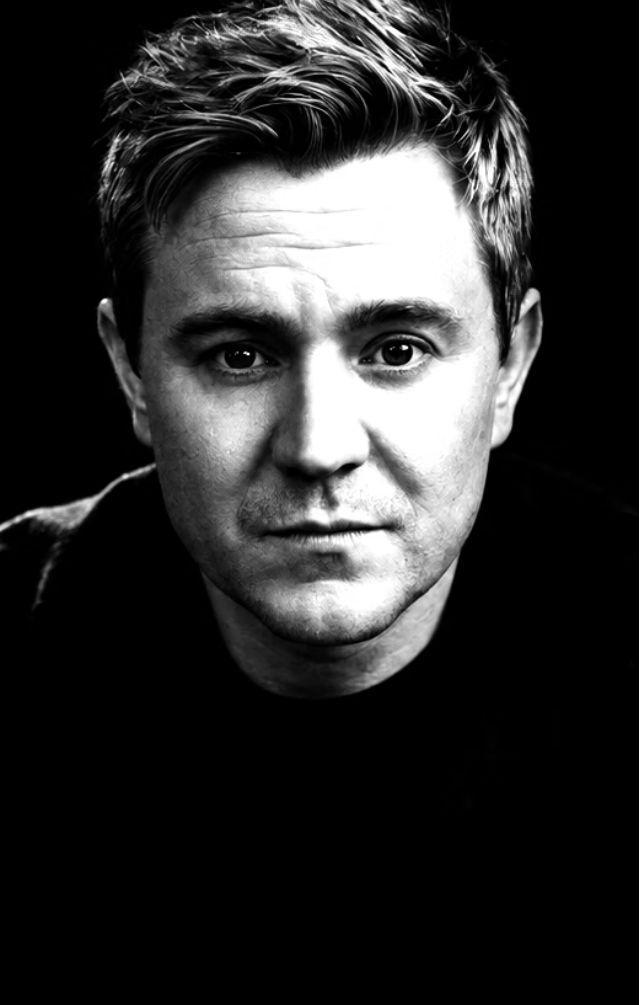
Mikko Spoof
Founder, CEO
Lead inventor, 3 patent families.
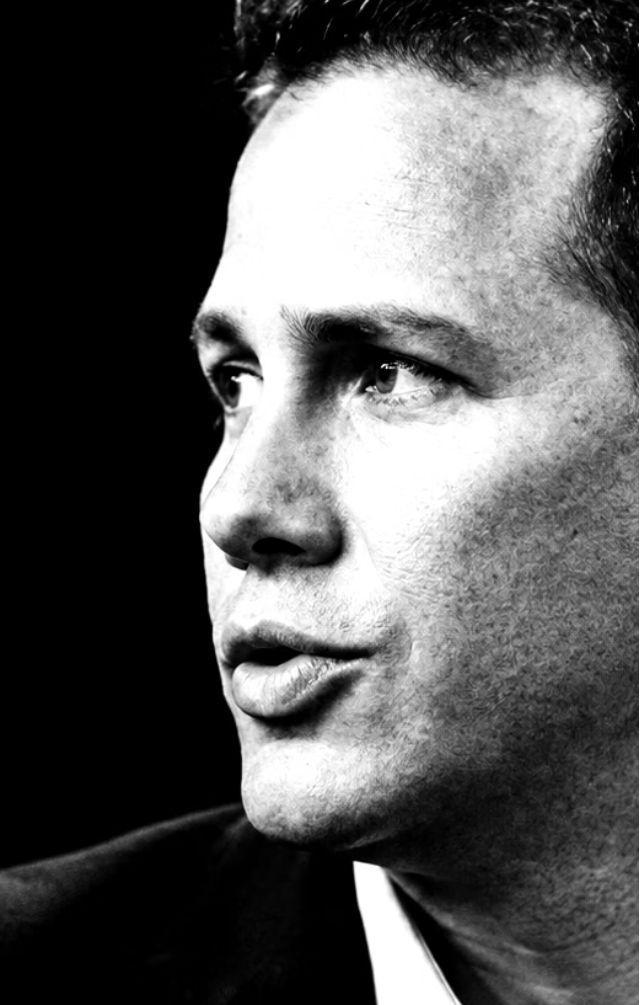
Luis Cárdenas
Commercial
Ex-Commercial Director, LALIGA.

Petri Moilanen
Strategy
Ex-Senior Vice-President, Nokia Networks.

Tianyi Pan
Intelligence
Computer vision and AI, ex-Angry Birds.

Titouan Marchal
Protocol
First Sui Global Hackathon winner.
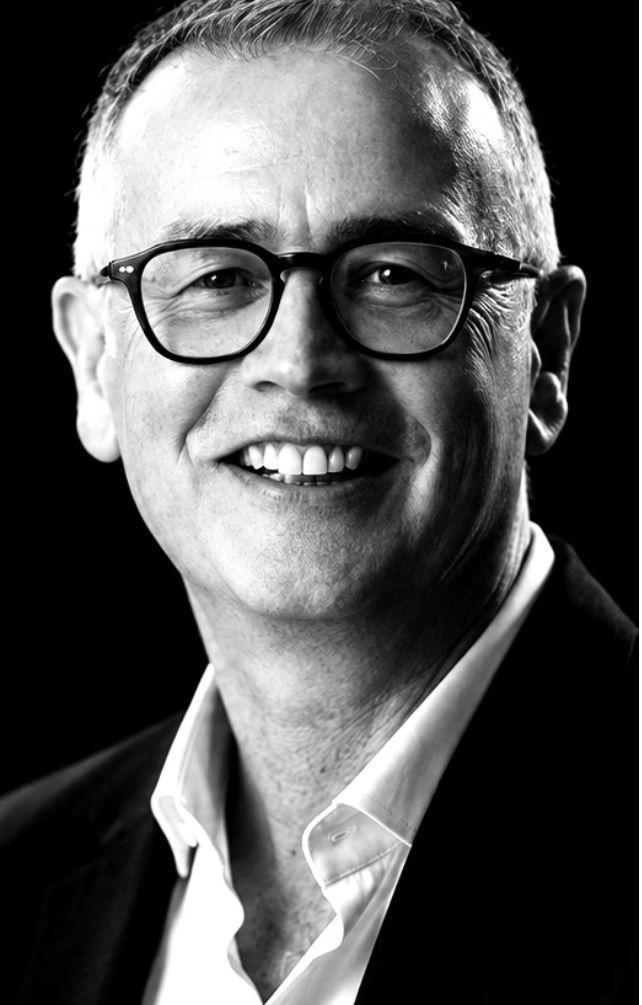
John Gleasure
Board
Founder of DAZN, Chair of Playtech.
Board member
James Bernard
Ex-DMCC Director.
Board member
Steven Katleman
Media law.
Board member
Campbell Steedman
M&A, telco.
Advisor: Patrick Raupach, CAA Portas.
Solu Networks, Inc., Delaware, USA.